
Theodore Lowe, Ap #867-859
Sit Rd, Azusa New York
Find us here
Portrait Photography: Types & Examples Defined Secrets
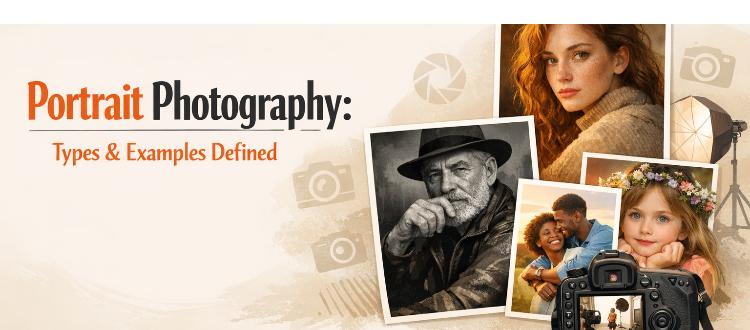
Whether you're a budding photographer or someone who appreciates the finer details of this craft, understanding the different types of portrait photography can elevate your appreciation and skills. Imagine being able to capture the essence of a person in a frame, telling a story that resonates with everyone who sees it.
This article will not only define the various types of portrait photography but also provide you with striking examples that will inspire your creativity. Keep reading to unlock the secrets behind capturing captivating portraits that leave a lasting impression.
Basics Of Portrait Photography
Portrait photography captures the essence of a person through a camera lens. It highlights emotions, expressions, and personality traits. Understanding the basics is crucial for creating stunning portraits. This foundation helps in achieving desired results and enhances creativity.
Understanding Lighting
Lighting plays a vital role in portrait photography. Natural light creates soft, flattering images. Studio lighting offers more control and precision. Experimenting with different light sources is key. Shadows can add depth and drama to your portraits.
Choosing The Right Background
Background impacts the overall feel of a portrait. Simple backgrounds keep the focus on the subject. Busy backgrounds can distract and overwhelm. Consider using neutral colors for balance. Outdoor settings provide variety and natural beauty.
Importance Of Composition
Composition is about arranging elements within a frame. It guides the viewer’s eye and enhances storytelling. The rule of thirds is a popular technique. It involves dividing the image into nine equal parts. Positioning the subject at the intersections creates interest.
Capturing Expressions And Emotions
Expressions make a portrait unique and personal. Capturing genuine emotions requires patience and timing. Engage with the subject for natural reactions. Smiles, frowns, and gazes tell different stories. Each has its own appeal and impact.
Using Props And Accessories
Props add context and character to portraits. They can be simple or elaborate. Accessories like hats or scarves enhance the visual appeal. Choose props that complement the subject. Avoid cluttering the scene with too many items.
Environmental Portraits
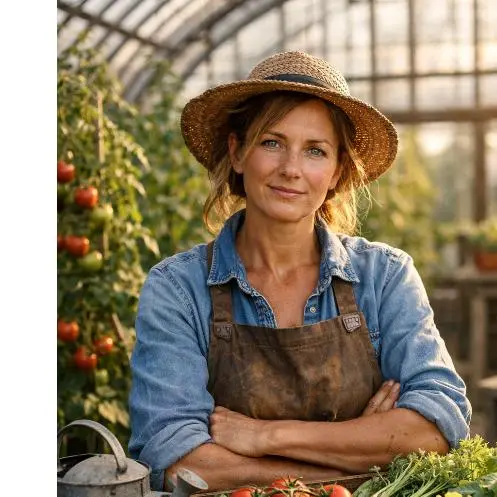
Environmental portraits are a unique genre of photography that captures subjects within their natural surroundings. This style goes beyond traditional studio settings, offering a rich tapestry of context and story. By integrating the environment, these portraits tell a deeper tale about the subject's life, work, and passions.
Capturing Natural Surroundings
In environmental portraits, the setting is as crucial as the subject. Imagine photographing a chef in their bustling kitchen or a gardener amid blooming flowers. The surroundings provide context, helping to narrate the subject's story without words. It's not just about snapping a photo; it's about immersing yourself in the subject's world.
To capture the essence of your subject, pay attention to details. Look for elements that speak to the subject’s identity. It might be the tools of their trade, a favorite spot, or even the weather conditions. These small details enrich the portrait and offer viewers a glimpse into the subject’s daily life. Have you ever tried photographing someone in their natural habitat? What stories did their environment tell?
Examples Of Environmental Portraits
Consider a portrait of a fisherman casting his net against the backdrop of a serene river. The flowing water and scattered nets add layers to the image, highlighting the fisherman’s connection to nature.
Another example is a writer surrounded by stacks of books, immersed in thought. The cluttered yet cozy space echoes the writer’s creative journey. Such portraits are not just about the individual but also their life’s narrative.
Think about capturing a musician during a live performance with the crowd's energy electrifying the air. The stage, instruments, and audience all contribute to the ambiance and mood, making the portrait powerful and dynamic.
Have you considered the types of environments that define your own life and work? What story would your surroundings tell if they were captured in a portrait?
Candid Portraits
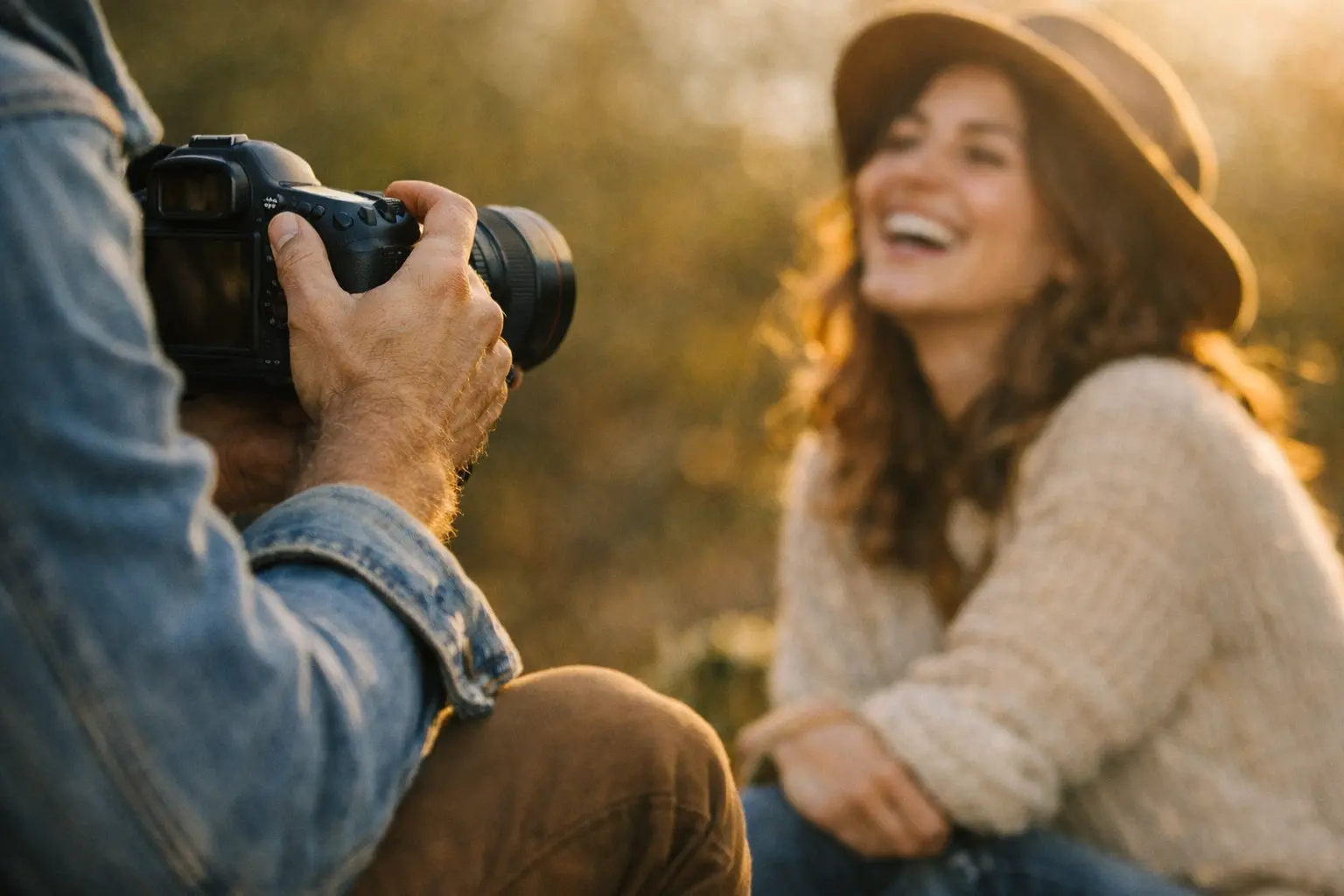
Candid portraits capture moments of genuine emotion and expression. Unlike posed photography, candid shots reflect real-life experiences and interactions. The beauty lies in the authenticity of unscripted moments. These portraits often reveal the true character of the subject.
Spontaneity In Photography
Spontaneity is the heart of candid photography. Photographers remain unobtrusive and patient, waiting for natural interactions. This approach captures unexpected smiles or thoughtful gazes. It requires sharp observational skills and quick reflexes. The result is a portrait full of life and emotion.
Candid portraits often tell a story without words. They offer a glimpse into the subject's world. These portraits are raw and genuine. They evoke feelings and memories for both the subject and viewer.
Notable Candid Portraits
Many famous candid portraits have left lasting impressions. One notable example is the work of Henri Cartier-Bresson. He mastered capturing spontaneous moments worldwide. His photographs reveal humanity in its purest form.
Dorothea Lange's candid portraits during the Great Depression are iconic. Her images conveyed deep emotion and struggle. They brought attention to societal issues. These portraits changed perspectives and inspired action.
Steve McCurry's portrait of the Afghan Girl is another unforgettable example. The girl's piercing eyes tell a powerful story. This candid shot became an emblem of wartime resilience.
These portraits demonstrate the power of candid photography. They capture real, unfiltered moments. Candid portraits remain timeless due to their authenticity and emotional depth.
Traditional Portraits
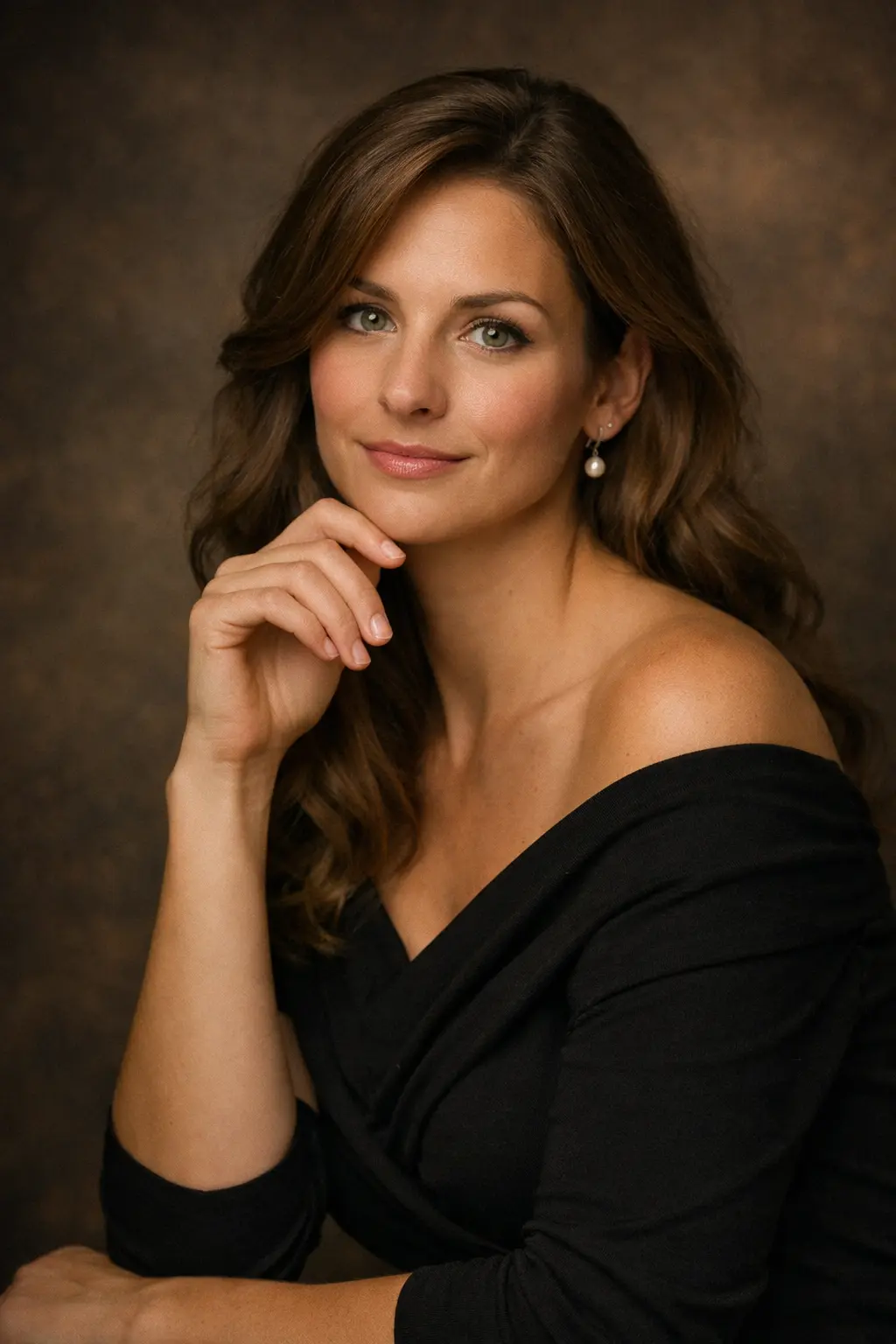
Traditional portraits capture the essence of individuals, focusing on their expressions and personalities. These photos emphasize the subject’s face and emotions, showcasing unique features and character. Artists often use classic settings and poses to highlight timeless beauty and elegance.
Traditional portraits are the epitome of timelessness in photography. They capture the essence of a person, often highlighting the subject's personality and emotions. These portraits are usually posed and carefully composed, making them an artful representation of the individual. As you explore traditional portraits, you'll discover the artistry behind every shot and the stories they tell.
Classic Techniques
Traditional portrait photography relies on classic techniques that have stood the test of time. These techniques focus on lighting, composition, and posing to create a captivating image. Soft, even lighting is often used to highlight the subject's features without harsh shadows. Posing the subject in a way that feels natural yet elegant is key to capturing their true essence. Consider the importance of eye contact in a portrait. It can create a connection between the subject and the viewer. You might also notice how photographers use the rule of thirds to position the subject's face, adding balance and interest to the composition. These techniques are not just rules; they are tools to help you tell a story through your portraits.
Famous Traditional Portrait Examples
Some traditional portraits have become iconic, standing as masterpieces in the world of photography. One such example is the portrait of Winston Churchill by Yousuf Karsh. This image captures Churchill's defiance and strength, immortalizing a moment in history. Another example is Annie Leibovitz's portrait of John Lennon and Yoko Ono. This photograph, taken just hours before Lennon's tragic death, is renowned for its raw emotion and intimacy. It showcases the power of traditional portraiture to capture fleeting moments that resonate deeply with viewers. Have you ever considered what makes a portrait memorable? Is it the technical skill of the photographer or the emotional connection it creates? Reflecting on these questions can guide you in your own portrait photography journey. Traditional portraits may seem simple, but they hold the potential to convey profound stories and emotions.
Lifestyle Portraits

Lifestyle portraits capture real-life moments in a natural setting. These portraits aim to tell a story through the lens. They showcase people in their daily environments. The focus is on candid and relaxed moments. This style brings out the subject's personality and essence. Lifestyle portraits are more than just images; they are stories.
Storytelling Through Images
Every lifestyle portrait tells a unique story. The goal is to capture emotions and interactions. These images go beyond posed photographs. They reveal genuine expressions and relationships. A child's laughter, a couple's embrace, or a family's shared joy. Each image narrates a moment in time. These stories are authentic and relatable. They allow viewers to connect on a personal level.
Lifestyle Portrait Inspirations
Find inspiration in everyday moments. Morning routines, family dinners, or walks in the park. These simple activities provide great opportunities for lifestyle portraits. Notice how light plays a role in your surroundings. Natural light enhances the warmth and authenticity of the scene. Consider different angles and compositions. Unique perspectives can make ordinary moments extraordinary. Capture the essence of daily life through your lens.
Glamour Portraits
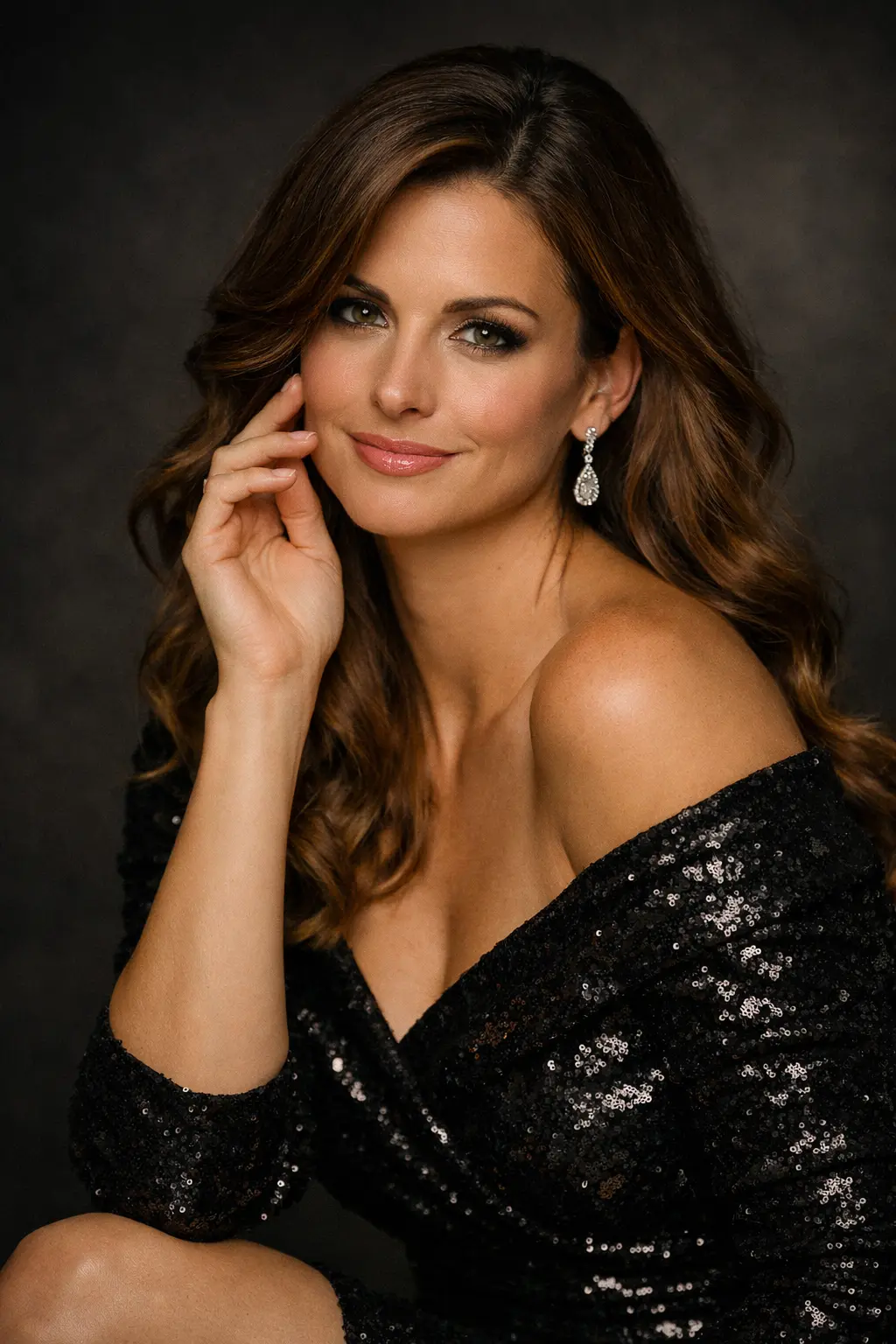
Glamour portraits capture the beauty and elegance of individuals through artistic photography. This type of portrait highlights features with dramatic lighting and styling. Examples include fashion shoots and celebrity portraits.
Glamour portraits are all about capturing the allure and elegance of a person, often highlighting their beauty, style, and charm. Unlike traditional portraits, glamour photography emphasizes fashion elements and often involves professional styling, makeup, and lighting to create striking images. These portraits are popular in fashion magazines and advertisements but can also be a unique way to express individual beauty in a more personal setting.
Focus On Beauty And Fashion
In glamour portraits, beauty and fashion take center stage. Photographers often work with stylists to choose outfits that enhance the subject's features. Lighting is crucial—it can soften skin textures and highlight specific features, making the subject appear more vibrant. Makeup plays an essential role, transforming the subject with colors and styles that complement their natural beauty. During a shoot, consider how clothing and makeup choices can reflect your personality and style. Have you ever noticed how a change in attire or makeup can entirely alter your mood or confidence level?
Iconic Glamour Portraits
Iconic glamour portraits have made a lasting impact on the world of fashion and photography. Think of Marilyn Monroe's timeless images—her portraits remain a standard for glamour photography, showcasing her captivating beauty and unique style. These portraits are more than just photographs; they tell a story of elegance and allure. Celebrities like Audrey Hepburn and Grace Kelly have also been immortalized through glamour portraits, emphasizing their timeless beauty and sophisticated style. When planning your own glamour portrait, consider what story you want to tell. What part of your personality do you want to shine through? Glamour portraits can be a fun and creative way to express yourself, whether you're a professional model or just exploring your style. Whether it's through a new hairstyle, a bold outfit, or unique makeup, each element can contribute to creating a memorable image. What would your iconic glamour portrait look like?
Conceptual Portraits
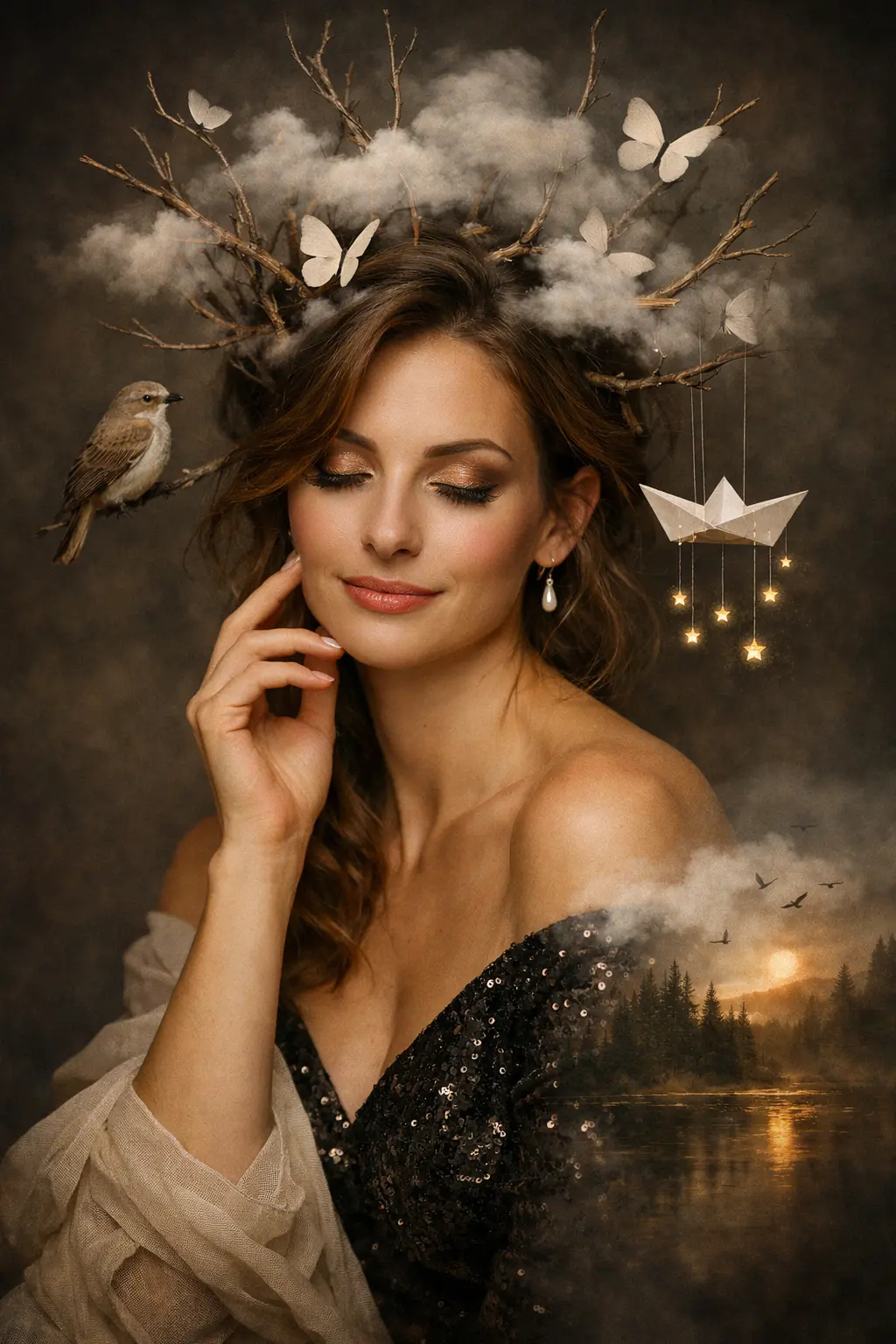
Conceptual portraits blend creativity and emotion, transforming traditional photography into artistic expression. These portraits often convey deep messages, capturing unique moods or stories. They are a striking way to illustrate the subject's personality or an abstract idea.
Conceptual portraits are a fascinating realm in portrait photography where imagination meets reality. These portraits go beyond capturing a person's likeness. They delve into storytelling and evoke emotions by presenting subjects in thought-provoking scenarios. Whether it's to convey an idea, a mood, or a message, conceptual portraits push the boundaries of traditional photography.
Artistic Expression
Conceptual portraits are a powerful form of artistic expression. They allow photographers to play with themes, colors, and props to create a unique narrative. Imagine a portrait where the subject is surrounded by floating books, suggesting a journey through knowledge and imagination. As a photographer, you might experiment with light and shadow to create dramatic effects. This can change the tone of the image entirely. Try using unusual angles or perspectives to give your portraits a distinctive look. Do you have a story you've always wanted to tell through photography? Conceptual portraits give you the freedom to express your ideas visually. This is your chance to showcase your creativity.
Innovative Conceptual Portraits
Innovative conceptual portraits often surprise viewers with their creativity and originality. They incorporate elements that are unexpected or unusual. Consider a portrait where the subject is interacting with a surreal landscape, such as a desert filled with oversized flowers. You can use digital editing tools to enhance your images. This allows you to create effects that are not possible with just a camera. Experiment with these tools to see how they can transform your concepts into reality. Have you ever thought about collaborating with other artists? Working with painters, sculptors, or digital artists can lead to incredible conceptual portraits. Combining different art forms can result in something truly unique. Conceptual portraits challenge you to think outside the box. What story do you want to tell? How can you use your skills to craft an image that speaks volumes? Let your imagination run wild and see where it takes you.
Fine Art Portraits
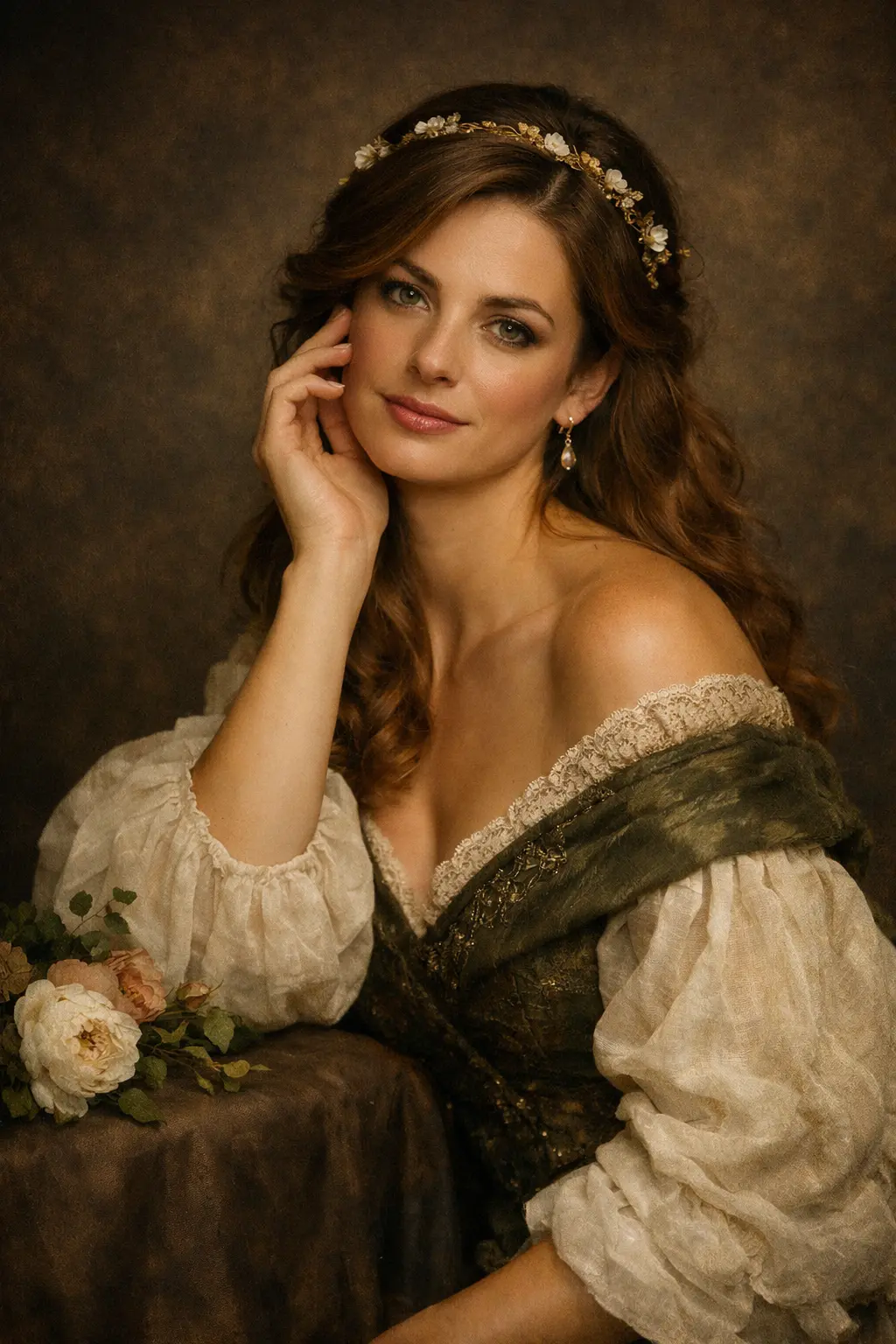
Fine art portraits blend creativity with skill. They go beyond mere documentation. These portraits capture emotion, mood, and the subject's essence. Artists use various techniques to create these striking images. The result is a piece that feels like art rather than just a photo.
Blending Art And Photography
Fine art portraits require a unique approach. They merge traditional photography with artistic vision. Artists often plan each element carefully. Composition, lighting, and color play critical roles. Every detail contributes to the final image's impact. The photographer becomes both artist and storyteller. They aim to evoke emotions or provoke thought.
Examples Of Fine Art Portraiture
Many photographers excel in fine art portraiture. Annie Leibovitz is a famous example. Her work often features celebrities in unexpected settings. Richard Avedon is another notable name. He captured raw emotions in simple, stark settings. Cindy Sherman's portraits explore identity and self-perception. Each artist offers a unique perspective. Their works inspire and challenge viewers.
Self-portraits
Self-portraits offer a unique glimpse into the artist's soul. They allow photographers to explore their identity. Through self-portraits, emotions and stories come to life. Every image tells a personal tale. It’s not just about capturing a face. It's about expressing inner thoughts and feelings.
The Art Of Self-expression
Self-portraits are a powerful tool for self-expression. They allow photographers to showcase their inner world. Each photo is a canvas of emotions. Photographers use lighting, angles, and props. These elements help convey mood and message. The process is deeply personal. It invites introspection and creativity. A self-portrait can reveal hidden aspects of the artist's personality.
Influential Self-portraits
Many famous photographers have embraced self-portraits. Cindy Sherman is known for her transformative images. She uses costumes and makeup to create various personas. Her work challenges identity norms. Another influential artist is Vivian Maier. Her self-portraits capture her life in urban settings. They show her as both observer and participant. These photographers inspire others to explore self-portraiture. Their work demonstrates the power of self-reflection.
Tips For Mastering Portrait Photography
Portrait photography captures the essence of a person. It's more than snapping a picture; it's about telling a story. Improving skills in this art form can make your portraits stand out. The key lies in mastering certain techniques.
Lighting Techniques
Lighting defines the mood of a portrait. Natural light is softer and flattering. Shooting during the golden hour gives a warm glow. Use reflectors to bounce light and reduce shadows. In indoor settings, avoid harsh overhead lights. Softbox or umbrella lights work best for even lighting. Experiment with different angles to find the perfect light.
Posing And Composition
Posing makes a huge difference in portraits. Encourage relaxed, natural poses. Direct eyes towards the lens for a connection. Use hands to add interest and expression. Composition frames the subject effectively. Use the rule of thirds to guide placement. Keep backgrounds simple to avoid distractions. Capture the subject’s personality through thoughtful composition.
Conclusion
Portrait photography offers diverse styles and expressions. Each type has its charm. From candid shots to formal poses, options abound. Understanding these styles enhances your skills. Capturing emotions and stories is key. Practice often to improve your technique. Look for inspiration in everyday life.
Experiment with lighting and angles. Remember, patience is essential. Keep exploring different approaches. Your unique perspective makes your work stand out. Portrait photography is a journey. Enjoy every step and moment.
Related blog posts
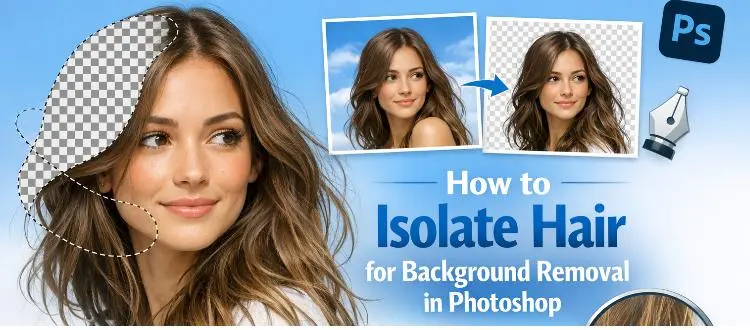
How to Isolate Hair for Background Removal in Photoshop
Are you tired of spending hours trying to perfectly isolate hair from a background in Photoshop, only to end up with messy, unnatural edges? You're not alone.
Clipping Path Associate has empowered businesses globally for over 12 years. A passionate team is dedicated to providing meticulous photo editing services. Expertise is offered in a range of areas, from precise clipping paths to flawless image retouching. The company offers straightforward yet impactful solutions tailored for photographers, e-commerce enterprises, advertising agencies, web design firms, magazine publishers, printing companies, and more.
We Accept : 