
Theodore Lowe, Ap #867-859
Sit Rd, Azusa New York
Find us here
Pet Photography Guidelines: Capture Perfect Pet Pics
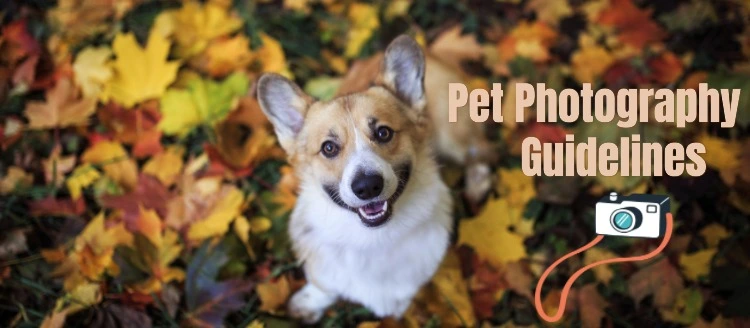
But imagine having a collection of stunning images that not only highlight their personality but also become cherished memories. Whether you're an aspiring photographer or a pet owner eager to capture the playful essence of your pet, you’re in the right place.
This article will unveil key guidelines that can transform your pet photography from ordinary snapshots to extraordinary portraits. Get ready to discover tips that will keep your audience saying "aww" every time they see your photos. Are you ready to unlock the secrets to capturing your pet’s most adorable moments? Let’s dive in!
Choosing The Right Equipment
Choosing the right equipment is crucial for capturing stunning pet photos. The right tools can transform ordinary shots into captivating images. It's essential to understand the basics of cameras, lenses, and lighting. This knowledge helps create a perfect picture of your furry friend.
Camera Options
Not all cameras suit pet photography. Consider digital single-lens reflex (DSLR) cameras for versatility. These cameras offer high-quality images and various settings. Mirrorless cameras are another great choice. They provide similar image quality but are lighter and more compact. Point-and-shoot cameras are convenient for casual photographers. They are user-friendly and require minimal adjustments. Choose a camera with fast autofocus. Pets move quickly, and capturing their movements is key.
Lens Selection
The lens can change the mood of your photos. Prime lenses offer sharp images and better low-light performance. Zoom lenses give flexibility for various distances. Wide-angle lenses capture more of the scene. They are perfect for playful pets outdoors. Telephoto lenses are ideal for close-ups, showing details like fur texture. Consider a lens with a wide aperture. This allows more light and creates beautiful background blur.
Lighting Essentials
Lighting can make or break a photo. Natural light is often the best choice. It provides soft and flattering illumination for pets. Avoid harsh midday sun; it creates unflattering shadows. Early morning or late afternoon light is best. Indoor photography requires additional lighting. Use diffused lights to avoid harsh shadows. A simple reflector can enhance natural light. It bounces light onto the pet, highlighting their features. Experiment with different lighting setups. Find what works best for your pet and environment.
Setting Up The Environment
Setting up the perfect environment is key to stunning pet photography. A well-prepared space can highlight your pet's charm. It can also create a safe and fun atmosphere. This section will guide you through essential elements for setting up your pet photography environment.
Choosing The Location
Pick a location where your pet feels comfortable. Familiar surroundings can help ease anxiety. Your backyard or living room can work wonders. Natural light enhances photos, so choose areas with good sunlight. Outdoor spots, like parks, offer more space and dynamic backdrops.
Background Considerations
A cluttered background can distract from your pet's features. Keep it simple to make your pet stand out. Neutral colors like white or gray work well. Avoid busy patterns or vibrant colors that clash with your pet's fur. Consider the mood you want to convey. A calm background enhances a serene vibe.
Prop Selection
Props can add personality to your pet's photos. Choose items that reflect your pet's character. A favorite toy or a cozy blanket can add warmth. Ensure props are safe and non-toxic. Avoid small items that can become choking hazards. Think creatively, but keep your pet's safety in mind.
Understanding Pet Behavior
Understanding pet behavior is crucial in capturing stunning pet photos. Each animal has a unique personality, and recognizing these traits can transform your photography. By observing and interpreting their behavior, you can create images that truly reflect their character.
Reading Animal Cues
Animals communicate through body language and sounds. Learn to read these cues to anticipate their actions. Notice their ears, tail, and eyes. A wagging tail or perked ears show excitement. Flattened ears or a tucked tail indicate stress or fear. Understanding these signals helps in capturing genuine moments. It also ensures the pet feels comfortable during the session.
Building Trust
Trust is essential for a successful pet photo shoot. Spend time with the pet before starting. Let them sniff and explore your camera. Speak softly and use gentle movements. Offering treats can also help in gaining their trust. A relaxed pet is more likely to show its true personality. This results in more authentic and engaging photos.
Patience And Timing
Patience is key in pet photography. Animals may not follow directions like humans. Wait for the right moment to capture the perfect shot. Observe their natural behavior and be ready to click. Timing is crucial, especially with active pets. Be prepared for unexpected movements. Quick reflexes and patience often lead to the best photos.

Credit: bydonna.co.uk
Composition Techniques
Pet photography can capture the spirit of your furry friend. Composition techniques play a crucial role in creating captivating images. Understanding these techniques helps you frame your pet in the best way possible. Let's explore some key composition strategies.
Framing The Shot
Framing is essential in highlighting your pet. Use elements like doors or windows to create natural frames. This draws attention to your subject. Experiment with angles. Try shooting through bushes or trees. It adds depth to the photo. Focus on your pet's eyes. They should be clear and sharp. This creates a connection with the viewer.
Rule Of Thirds
The Rule of Thirds guides your composition. Imagine your image divided into nine equal parts. Place your pet along these lines or intersections. This leads to a balanced and appealing photo. Avoid centering the subject. It often results in a static image. Instead, use the grid to create dynamic scenes. Capture your pet in action or at rest for varied effects.
Capturing Movement
Pets are energetic. Capturing their movement brings life to photos. Use a fast shutter speed. It freezes action moments. Try panning for a blurred background effect. Follow your pet with the camera. This technique requires practice but rewards with stunning results. Experiment with different settings. Adapt to your pet's speed and behavior.
Lighting Tips For Pets
Great lighting brings out the best in pet photography. Soft, natural light helps capture adorable expressions and fur details. Avoid harsh flashes to prevent startling pets and creating unnatural shadows.
Capturing the perfect moment with your pet requires more than just a good camera; lighting plays a crucial role. Proper lighting can highlight the beauty and personality of your furry friend. Whether you're shooting in daylight or indoors, understanding how to use light effectively will bring out the best in your pet photographs. Let's explore some essential lighting tips for pets.
Natural Light Usage
Natural light is often the most flattering for pet photography. It provides soft illumination and enhances the textures of fur and feathers. Try shooting during the golden hours—early morning or late afternoon—when the sun is low and the light is warm. Position your pet near a window or in open shade to avoid direct sunlight, which can cause harsh shadows. Watch how the natural light falls on your pet; you might notice that a slight change in angle can make a big difference. Consider your pet's comfort. If your dog loves sunbathing, use this time to capture their relaxed demeanor. Your cat might prefer staying indoors but can still look stunning basking in natural light streaming through a window.
Indoor Lighting Solutions
Indoor lighting requires a bit more creativity. Use lamps and overhead lights strategically to create a balanced light source. Avoid harsh, direct lighting that can wash out colors and create unwanted shadows. Utilize diffused lighting by placing a soft white sheet or diffuser over lamps to soften the light. You might also use adjustable LED lights that mimic daylight to maintain natural colors and shadows. Think about the mood you want to set. Soft lighting can create a cozy, intimate feel, while brighter light might be better for energetic pets. Experiment with different setups to find what works best for your space and your pet's personality.
Avoiding Harsh Shadows
Shadows can add drama, but they can also be distracting if too harsh. Position your light source at a 45-degree angle to your pet to minimize harsh shadows. This angle helps in casting softer shadows that add depth without overpowering the subject. Experiment with reflectors, like a simple white poster board, to bounce light back onto your pet. This technique can reduce unwanted shadows and illuminate darker areas. Observe how your pet interacts with light and shadows. Sometimes, their playful antics in the shadows can lead to unexpected and delightful shots. But always ensure their features are well-lit and clear. Have you ever noticed how certain lighting makes your pet's eyes sparkle? Lighting can transform your pet photos from ordinary to extraordinary. By understanding and applying these lighting tips, you'll capture images that truly reflect your pet's essence.
Post-processing Tricks
Post-processing is crucial in pet photography. It transforms good photos into great ones. This stage enhances the photo's details and colors. With the right tools, your pet photos can truly shine. Let's explore some essential post-processing tricks.
Basic Editing Tools
Start with basic editing tools. Cropping helps improve composition. Adjust brightness and contrast for a balanced look. Use sharpening tools to make images crisp. These simple adjustments enhance the photo's overall quality.
Enhancing Fur Details
Fur texture adds depth to pet photos. Use the clarity tool to highlight fur details. Zoom in and adjust carefully. Avoid overdoing it, as this can look unnatural. A light touch keeps the fur looking soft and realistic.
Color Correction
Accurate colors make photos more appealing. Use the white balance tool for this. Adjust temperature and tint to match the pet's true colors. Check saturation levels to ensure vibrancy without exaggeration. Correct colors help the pet's personality shine through.
Safety And Comfort
Ensure pets feel at ease during photography sessions. Create a calm environment with familiar toys and treats. Minimize distractions to capture genuine expressions, highlighting their unique personalities. Safety comes first; always handle pets gently and use equipment securely to prevent accidents.
Capturing the essence of your pet in photographs isn't just about snapping the perfect picture. Ensuring their safety and comfort is equally important to create memorable and joyful images. Pets can be unpredictable, and their well-being should always be your top priority during a photo session. By focusing on safety and comfort, you not only get better pictures but also ensure a happy experience for your pet.
Safe Props And Equipment
Props can add a fun element to your pet's photo session, but they should always be safe. Choose props that are non-toxic and sturdy. Avoid small items that a curious pet could swallow. Ensure your equipment is pet-friendly. Tripods and lights should be stable and secure, preventing any accidents. Do a quick check to ensure there are no loose wires or sharp edges that could harm your pet. Consider the environment, too. A clutter-free area reduces the risk of tripping or injury. Keep your space tidy and well-organized, so your pet has enough room to move comfortably.
Comfortable Posing
Comfort is key when posing your pet. Let them settle into natural, relaxed positions. Avoid forcing them into awkward poses that could cause stress or discomfort. Use treats or toys to guide them into positions naturally. This not only makes the process smoother but also keeps their spirits high. Capture their natural expressions and movements for authentic shots. Remember, patience is essential. Give your pet time to adjust and never rush them. The best photos often come when they're at ease and happy.
Handling Nervous Pets
Some pets can be shy or anxious around the camera. Approach these situations with sensitivity and understanding. Introduce the camera slowly, allowing them to sniff and explore it. Use a calm voice and reassuring touch to soothe their nerves. Sometimes, having a favorite blanket or toy nearby can provide comfort. Pay attention to their body language and take breaks if needed. Consider your own energy, too. Pets can sense your emotions, so stay relaxed and positive. Are you ready to capture those candid moments that reflect their true personality?
Creative Ideas And Inspiration
Capturing the essence of your pet through photography can be both fun and rewarding. The key lies in infusing creativity and drawing inspiration from everyday moments. Whether it's a quirky costume or a seasonal backdrop, these guidelines will help you frame your furry friend in unique ways that reflect their personality.
Unique Themes
Ever thought about setting your pet in a fairy tale setting? Imagine a cat lounging in a tiny castle or a dog dressed as a superhero. Themes like these not only add charm but also tell a story. Try to think outside the box. What if your pet became the detective in a mystery shoot? Or the main character of a classic movie scene? These unique themes can transform ordinary photos into memorable treasures.
Seasonal Shoots
Seasons offer an endless canvas for creativity. Capture your dog jumping through autumn leaves or your cat basking in the winter sun. Each season brings its own palette of colors and moods. Imagine the vibrant flowers of spring or the festive lights of winter. Seasonal shoots can highlight the natural beauty surrounding your pet and create timeless memories that match the rhythm of the year.
Incorporating Owners
Why not join your pet in the frame? Including yourself can add a personal touch and deepen the connection portrayed in the photo. Think about matching outfits or coordinated poses. Perhaps you both share a favorite location or activity. These shared moments can speak volumes about your bond. How does your pet respond when you’re in the picture? Capture those genuine interactions to create a heartfelt narrative.
Creativity is about seeing the world through your pet's eyes. What theme resonates with their personality? How can you reflect your shared experiences? Let your imagination run wild and remember, the best photos are the ones that tell your unique story.
Conclusion
Capturing the perfect pet photo requires patience and practice. Simple tips make a big difference. Remember to focus on natural light and settings. Keep your pet comfortable for genuine expressions. Try different angles to find the best shot. Practice regularly to improve your skills.
Celebrate small successes and learn from challenges. Share your beautiful pet photos with friends and family. Enjoy the process of creating lasting memories. Your furry friend will love the attention too. Happy snapping!
Related blog posts
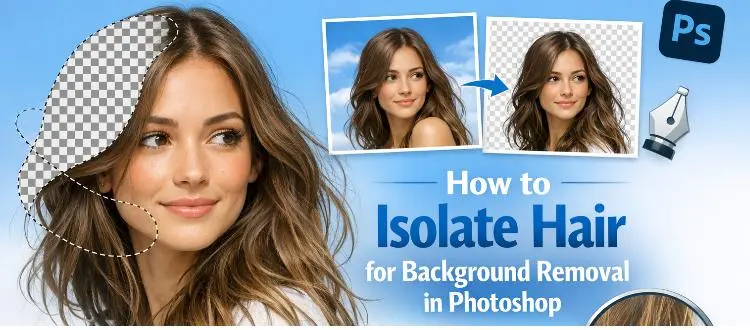
How to Isolate Hair for Background Removal in Photoshop
Are you tired of spending hours trying to perfectly isolate hair from a background in Photoshop, only to end up with messy, unnatural edges? You're not alone.
Clipping Path Associate has empowered businesses globally for over 12 years. A passionate team is dedicated to providing meticulous photo editing services. Expertise is offered in a range of areas, from precise clipping paths to flawless image retouching. The company offers straightforward yet impactful solutions tailored for photographers, e-commerce enterprises, advertising agencies, web design firms, magazine publishers, printing companies, and more.
We Accept : 